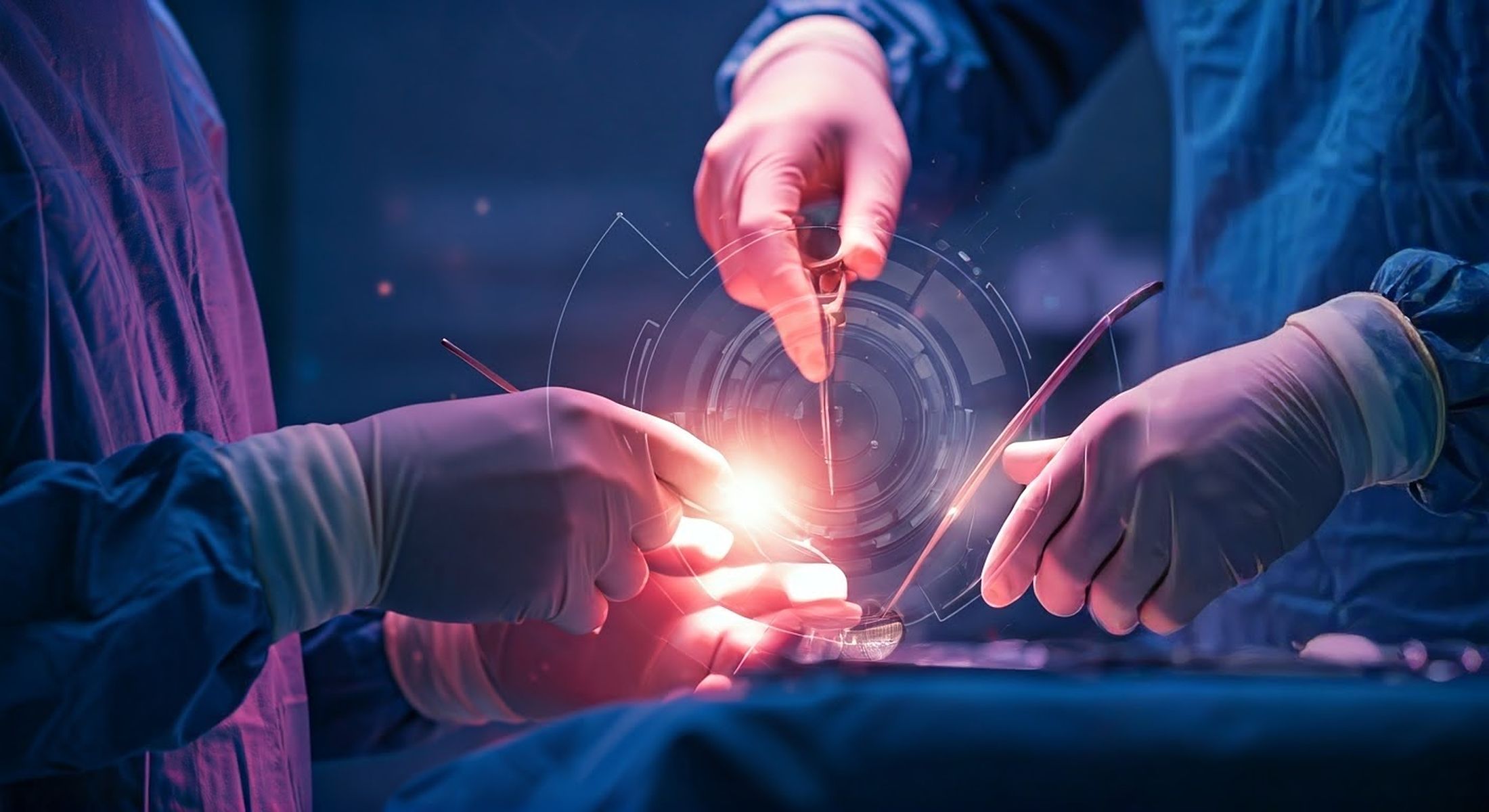
We build AI that sees and understands the physical work of medicine — making surgery and cell therapy radically more efficient.
Optimization Through AI Vision Systems
We deploy AI vision to remove waste from healthcare
Instrument-level AI for the operating room and sterile processing.
In commercial pilots Program 023D digital twins of the operating room, connected to every tray.
In development Program 03Bodhi: AI-guided automation for cell and gene therapy production.
In developmentProgram 01 · Surgical vision · OR-SPD platform
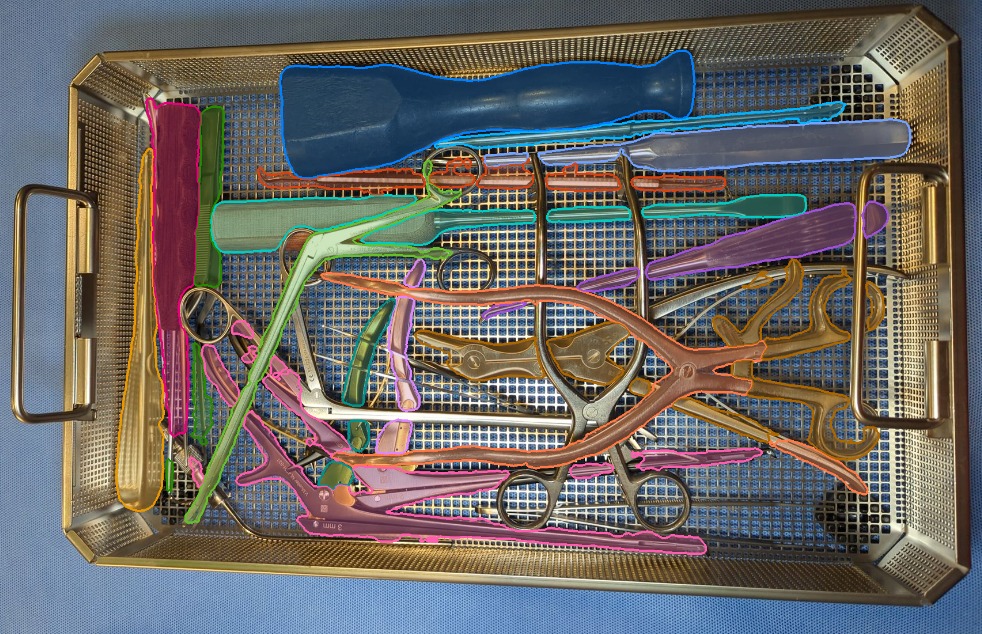
Our AI classifies every instrument on the tray, straight from the camera — no barcodes or RFID tags on thousands of tools.
At the sterile processing packing station, instrument verification catches missing or wrong instruments before a tray is sent.
Our AI flags redundant instruments and recommends optimized sets. Each additional tray adds 3 minutes to turnover.
Traction
reduction in instrument burden on a neurosurgical tray
OR turnover time saved per case
first-year return on investment
Featured in
Journal of Neurosurgery
An editorial on our AI-powered analysis of operating room turnover: “The Computer Is Always Watching.”
Read the editorial →Selected research & press
2026 Artificial Intelligence–Powered Analysis of Operating Room Turnover: Impact of Instrument BurdenJournal of Neurosurgery → 2025 Incorporating AI-Driven Vision Systems to Quantify Learning Curve in EVD PlacementJournal of Neurological Surgery Part B: Skull Base → 2024 STAT3 Protects Dopaminergic Neurons Against Degeneration in Animal Model of Parkinson's DiseaseBrain Research → Press Cambridge Scientists Say 'Virtual Child' and Other AI Initiatives Can Create New DrugsBusiness Weekly → Full publication list (26+ papers) on ResearchGate →Program 02 · Spatial intelligence
Today our AI sees every instrument on the tray. Now we're teaching it to understand the entire room.
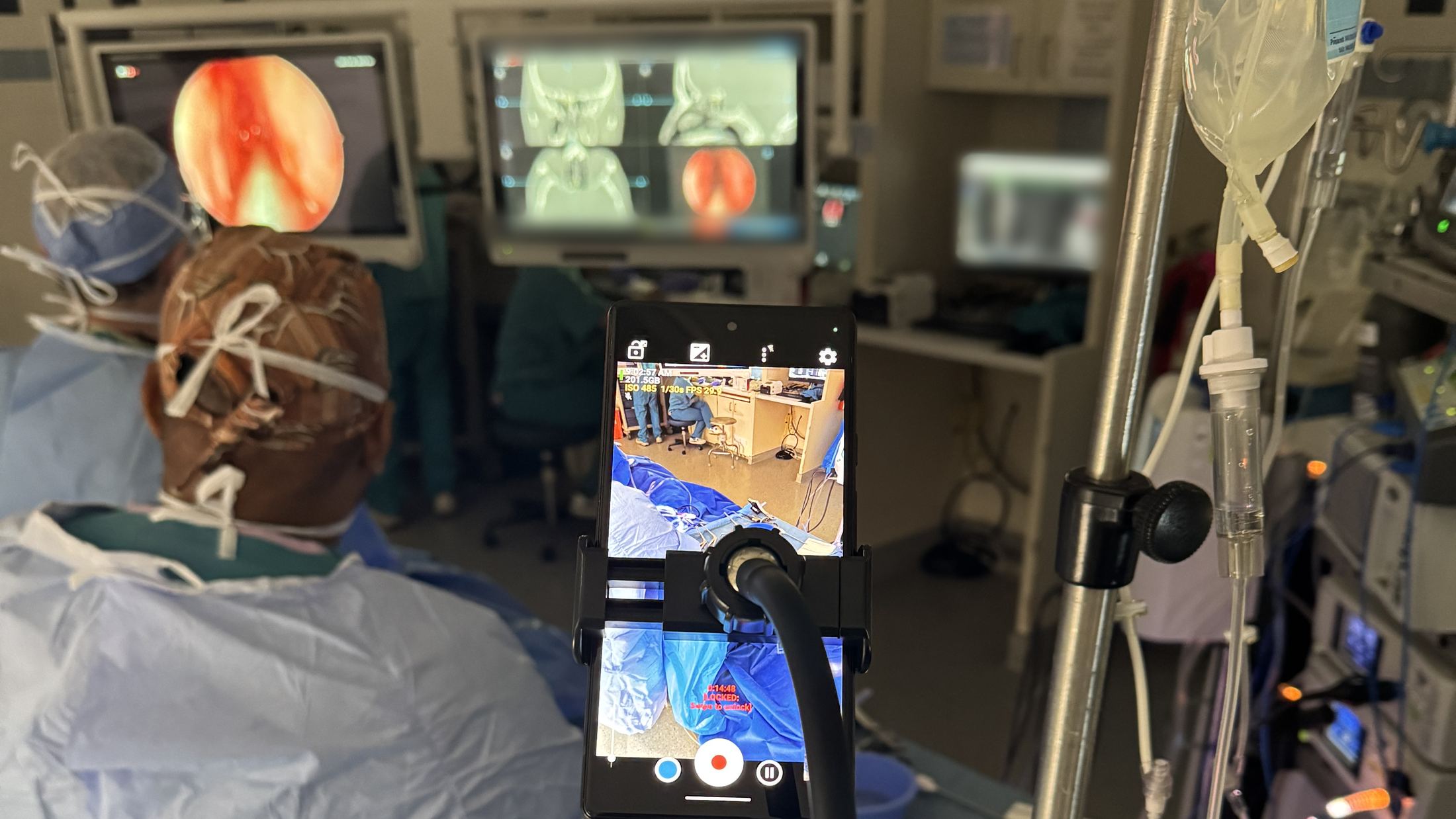
We capture live cases on video, and our AI turns them into instrument and turnover data.
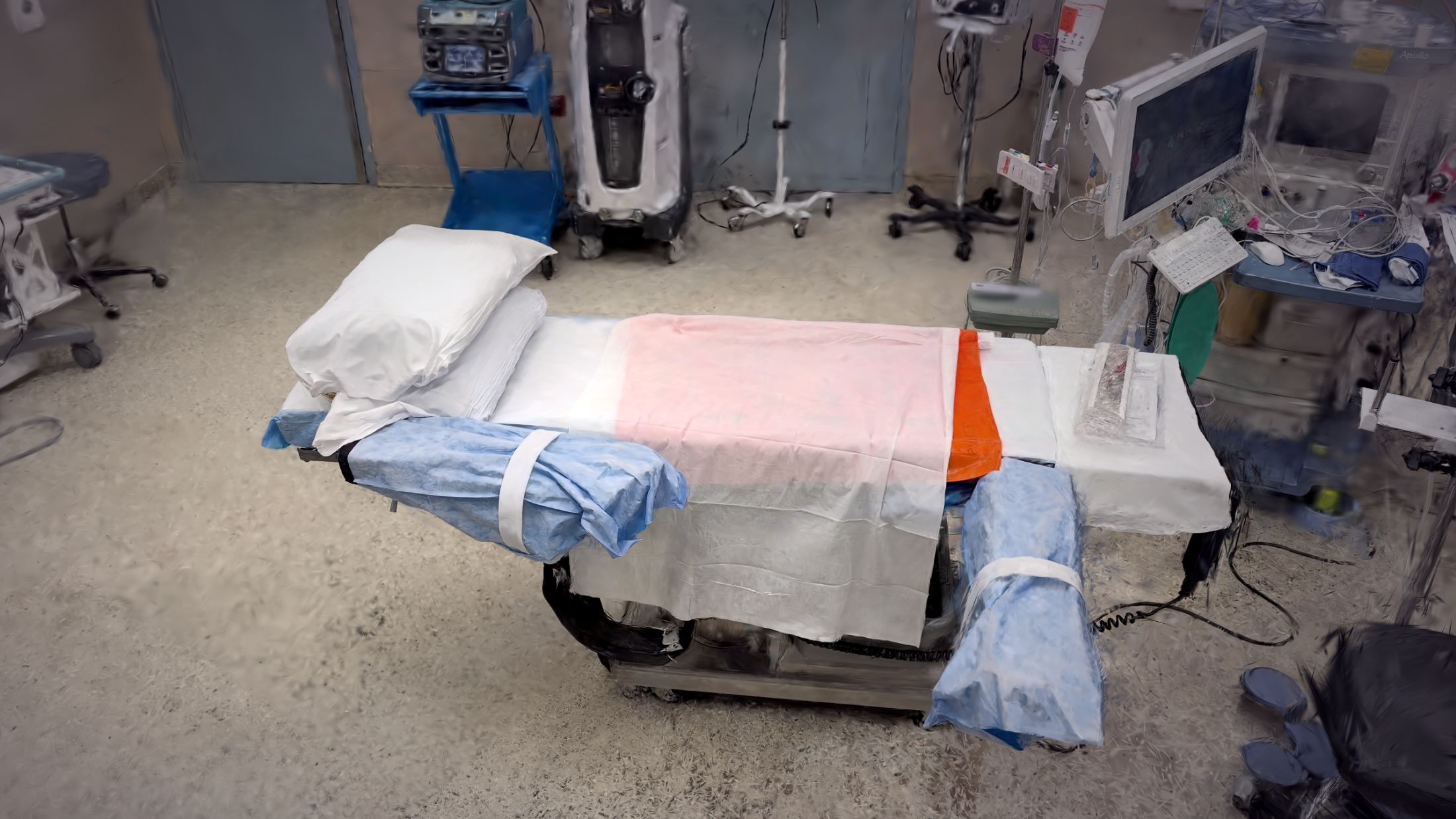
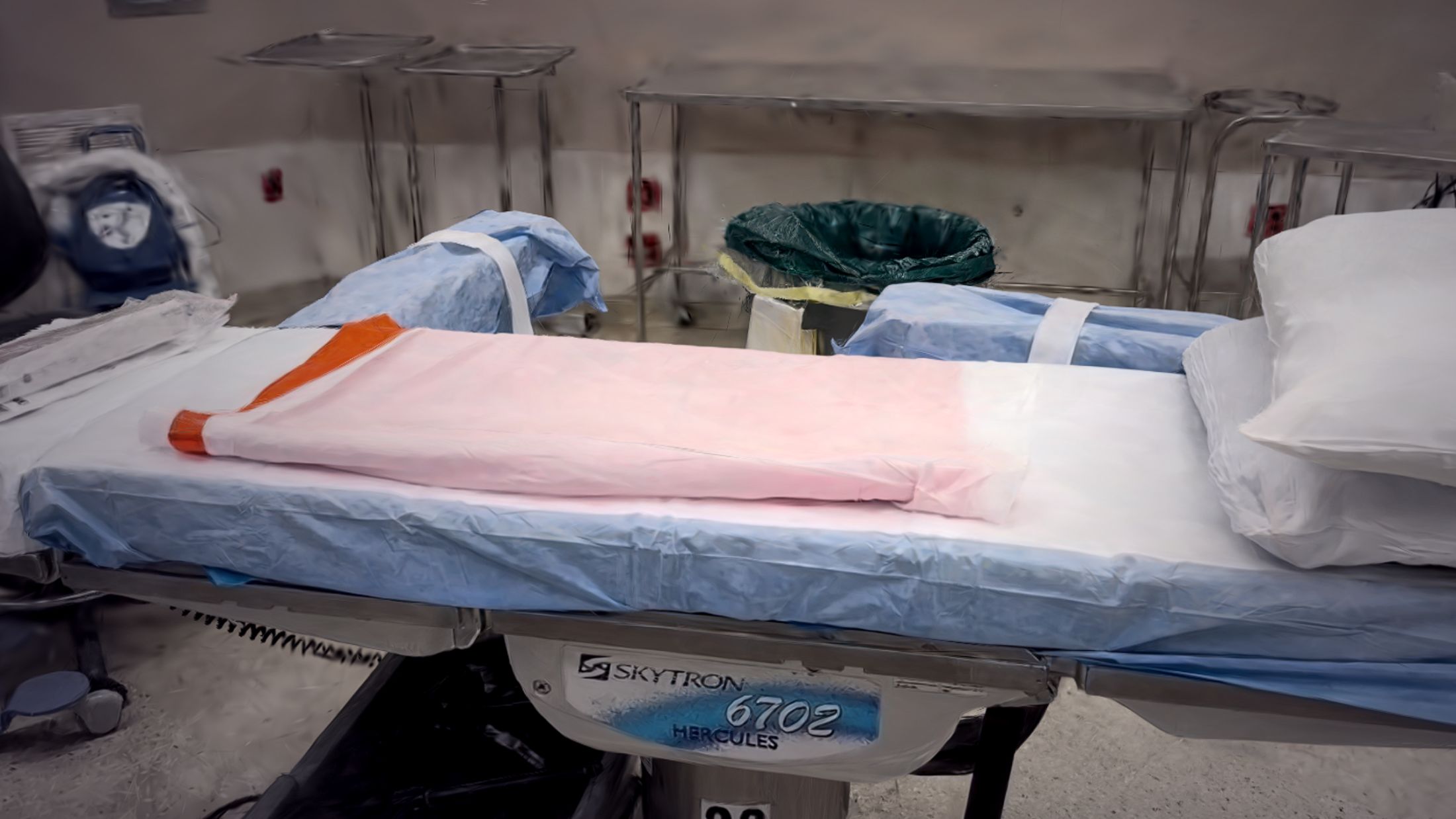
Captured on site as a digital twin of around six million Gaussian splats — every table, cart and monitor, explorable from any angle.
Next, SPD Sentinel connects sterile processing and the OR — following every tray and instrument from packing, to the case, and back again, so each case makes the next tray leaner.


Program 03 · AI biomanufacturing · Bodhi
Real-time cell culture monitoring, with full visual access for AI-driven quality control.
Concentric roller bottles, each with its own programmable microenvironment — reducing labour and variability in scaled-out 2D workflows.
An adherent 2D platform that follows the discovery SOP — high batch comparability and low early-phase capex, for the segment bioreactors don't serve.
Team


Contact
Investors, hospitals, CGT manufacturers and academic partners — we'd like to hear from you.